
Deciding Between Roof Repair and Replacement
Living in The Valley means your home is subjected to a unique mix of weather conditions throughout the year. From pounding winter rainstorms and high winds to surprisingly intense summer sun, the elements here can be relentless. Because your home's exterior takes the brunt of this climate, one of the most common dilemmas homeowners face is knowing exactly how to handle overhead damage. When a leak appears or shingles start looking worn, you are immediately faced with a critical question: should you invest in a targeted fix, or is it time for a complete overhaul?
Making this decision can feel incredibly daunting, especially when considering the financial commitment involved. You want to protect your home and your family without spending money unnecessarily, but you also want to avoid putting a temporary bandage on a failing structure. Unfortunately, the industry has its share of unreliable contractors who might push for a full tear-off when a simple fix would suffice, or conversely, offer a cheap patch that masks a severe underlying problem.
At M&R General Construction, we believe in transparency, education, and empowering our clients to make the best decisions for their properties. In this comprehensive guide, we will walk you through how to know if your roof needs repair or replacement, what signs to look for, and how to evaluate the long-term health of your home's most vital protective layer.
When a Targeted Fix is the Right Choice
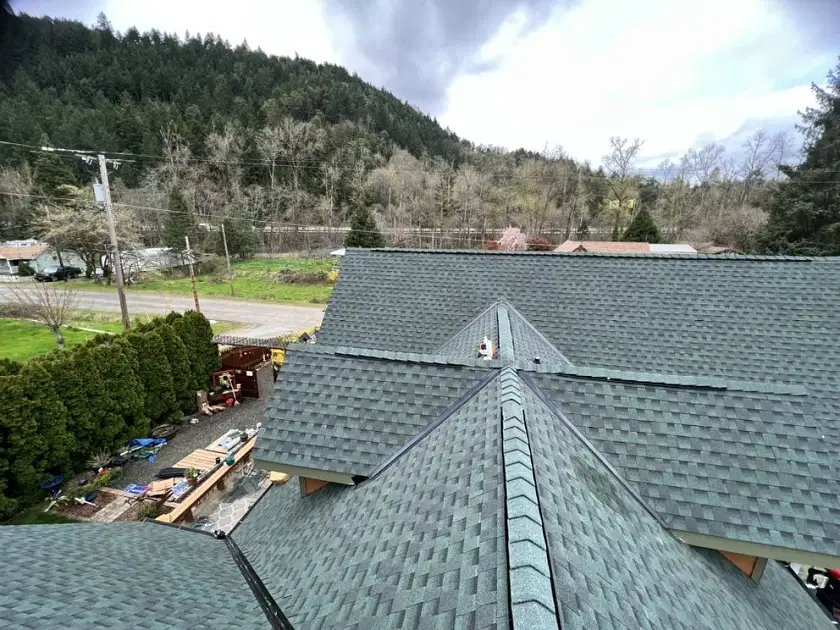
Not every leak or missing shingle calls for a massive construction project. In many cases, specialized roofing repair is perfectly adequate to restore the integrity of your home. The key to making this determination lies in evaluating roof age and shingle deterioration. If your home's exterior was installed within the last ten to fifteen years and the overall material is still in good condition, localized damage can usually be addressed without a complete tear-off.
So, what does repairable damage look like? Often, it is the result of a specific, isolated event. For instance, if a recent windstorm blew off a small section of shingles, or a fallen tree branch damaged a localized area, a skilled professional can carefully remove the compromised materials, inspect the underlying decking for structural integrity, and seamlessly integrate new materials. Similarly, isolated issues around penetrations—like chimneys, skylights, and vent pipes—are common culprits for leaks. The flashing around these features can rust, crack, or pull away over time. Resealing or replacing this flashing is a standard maintenance task that can significantly extend the lifespan of your property without breaking the bank.
It is also important to consider the financial side of the equation. If you are experiencing a temporary cash flow constraint or simply want to maximize the return on your initial investment, a targeted fix offers a cost-effective way to keep your home dry and secure. However, this approach only makes sense if the rest of the structure is sound. Partnering with trustworthy roofing companies that provide honest, detailed assessments rather than high-pressure sales tactics is essential for getting an accurate picture of your property's condition.
Signs a Damaged Roof Needs Full Replacement
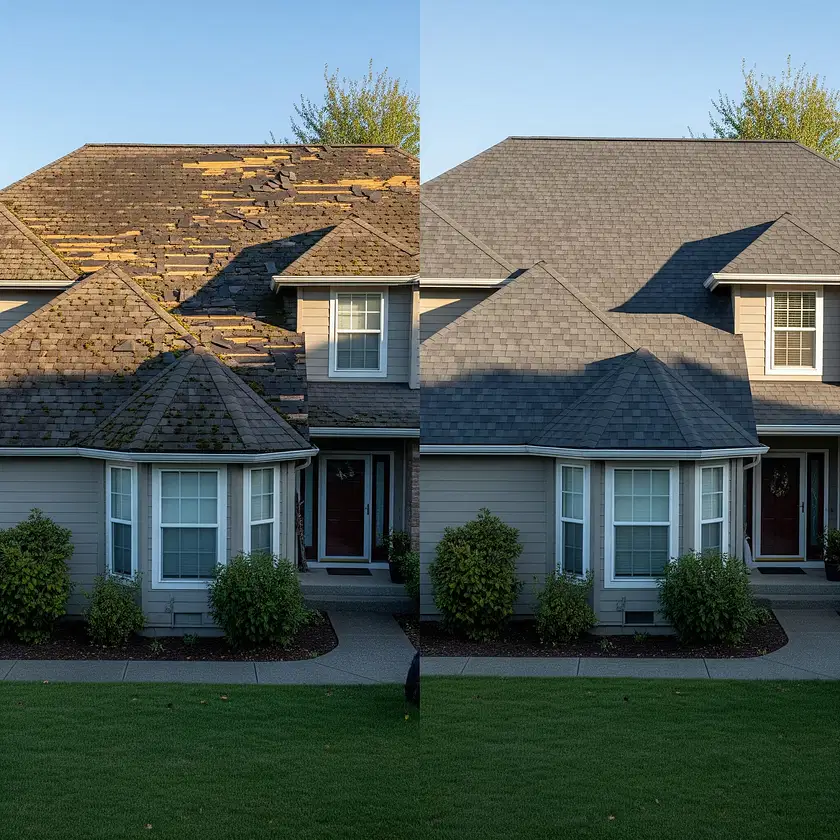
While maintenance and patching can work wonders, there comes a point when a complete overhaul is not just recommended, but necessary for the safety and structural integrity of your home. Understanding the signs a damaged roof needs full replacement will help you avoid the stress of recurring leaks and escalating interior water damage.
The most definitive factor is age. Traditional asphalt shingles generally last between 15 and 25 years, depending on the specific product, installation quality, and environmental exposure. If you are approaching or have surpassed this window, and you are starting to see widespread issues, pouring money into repeated patching is ultimately a poor investment.
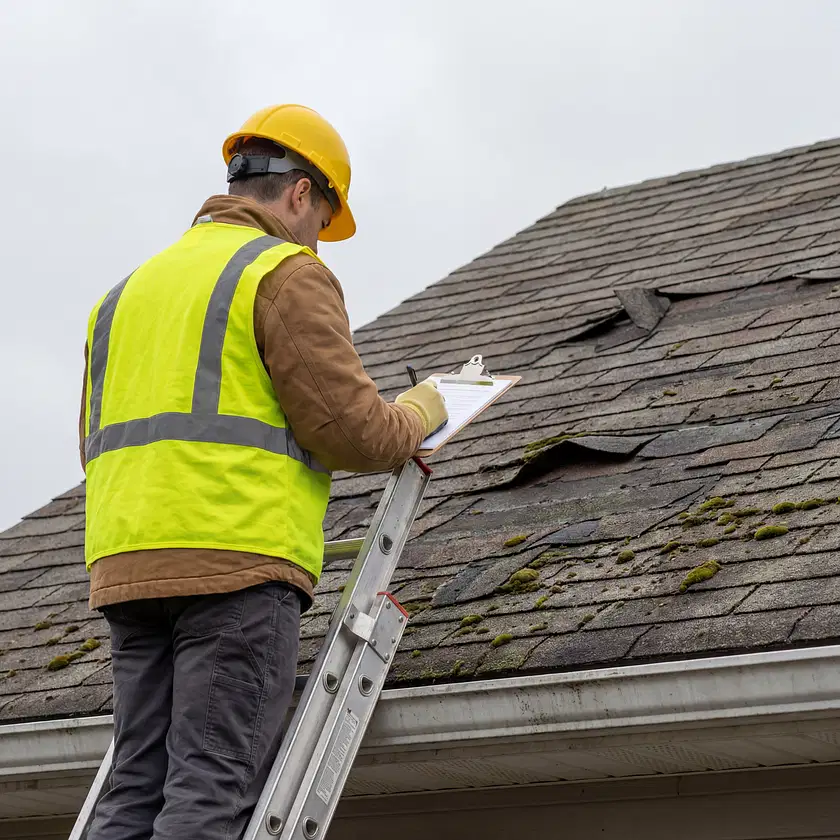
Visible deterioration is another major red flag. When evaluating the surface, look for widespread curling, buckling, or blistering of the shingles. You might also notice a significant loss of protective granules—often visible as dark, bare spots or a heavy accumulation of granules in your gutters. This indicates that the material has reached the end of its functional life and is no longer capable of properly shedding water or resisting UV rays.
Furthermore, structural issues demand immediate attention. If you notice sagging sections, this often points to severe moisture intrusion that has rotted the wooden decking underneath. In the PNW, persistent, deeply rooted moss growth can also severely compromise materials by lifting the edges and allowing moisture to seep into the underlayment. In these scenarios, a surface-level fix is impossible; a full tear-off is required to assess and repair the underlying structural damage.
When planning for a major project, many homeowners take the opportunity to reconsider their materials. For example, comparing metal vs asphalt shingles is a great exercise. While asphalt remains highly popular for its affordability and classic look, many residents are shifting toward metal options due to their exceptional longevity, wind resistance, and eco-friendly recyclability. Exploring these options with a licensed, experienced contractor ensures you understand the roofing cost variations and long-term warranties available to you.
Navigating the Process with Confidence
Whether you ultimately need a minor intervention or a completely new installation, the most crucial step is choosing the right professional to do the work. The industry is unfortunately known for storm chasers who appear after bad weather, offering deals that seem too good to be true. These operators often lack proper licensing, bonding, and insurance, leaving you financially vulnerable if a worker is injured on your property or if the workmanship fails months down the road.
Always look for established, local experts who prioritize comprehensive warranties, transparent pricing estimates, and reliable communication. A reputable contractor will use advanced technology, like drone inspections or detailed photo reports, to show you exactly what is happening above your head. They should also be well-versed in helping you navigate homeowners insurance claims if your property has sustained sudden, severe weather damage, taking a significant administrative burden off your shoulders.
At M&R General Construction, we understand that taking care of your home is a major priority and a significant investment. We are deeply committed to providing the highest quality roofing services tailored to the specific needs of our community. We handle everything from detailed initial inspections to complete installations, ensuring your property is protected against whatever the weather throws our way.
If you are noticing warning signs or simply want the peace of mind that comes with a professional evaluation, we are here to help. Serving homeowners from Monmouth down to Eugene and throughout the broader region, our dedicated team is ready to provide you with an honest assessment and a clear path forward. Reach out to us today through our contact us page to schedule a consultation and take the first step toward a safer, more secure home.