
How to Handle Roof Leaks and Interior Water Damage
When the rainy season arrives, the last thing any homeowner wants to hear is the steady, rhythmic drip of water coming from the ceiling. Here in the Salem-Keizer area, we get our fair share of liquid sunshine, and while it keeps our landscapes beautifully green, it also puts our homes to the ultimate test. A leaking roof is more than just a nuisance; it is a direct threat to the structural integrity of your home and the safety of your family. If left unaddressed, a small drip can quickly escalate into extensive interior water damage, compromised insulation, and hazardous mold growth. In this guide, we will walk you through exactly what to do when you discover a leak, how to identify hidden water damage, and the steps required to restore your home inside and out.
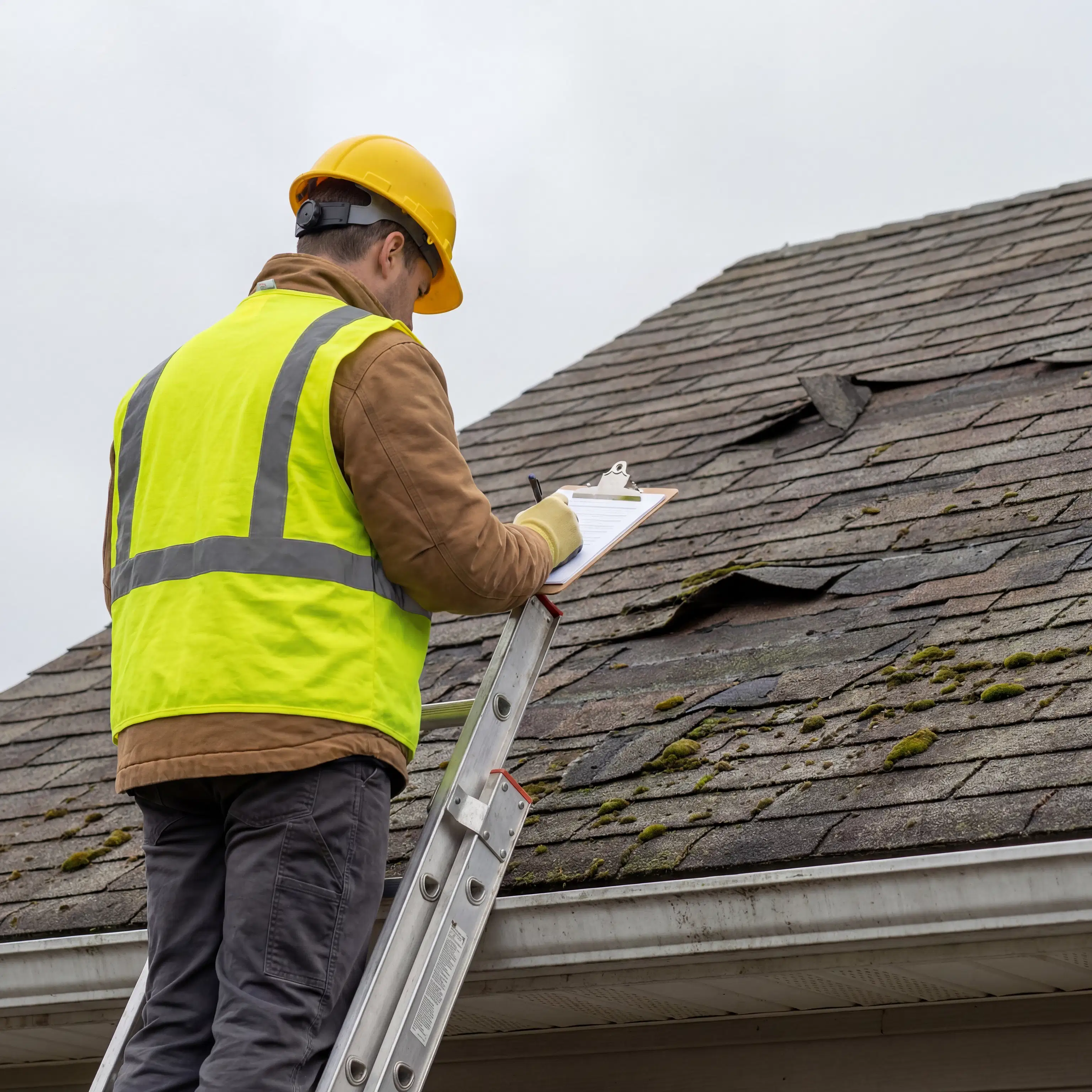
Spotting the Signs of Hidden Roof Leaks in Your Ceiling
Water is notoriously tricky. Because it follows the path of least resistance, the spot where water drips through your ceiling is rarely directly beneath the actual hole in your roof. It often travels along rafters, trusses, and the top of your ceiling drywall before finally pooling and breaking through.
Learning how to spot signs of hidden roof leaks in your ceiling early can save you thousands of dollars in repairs. Keep an eye out for faint, coffee-colored stains on your ceiling or walls. You might also notice bubbling or peeling paint, sagging drywall tape, or a persistent musty odor in certain rooms.
Often, the root cause of these leaks isn't a massive structural failure, but rather localized issues. For example, an accumulation of fir needles can easily clog your gutters, causing water to back up under your shingles. Similarly, failing flashing around chimneys or vent pipes is a common culprit. Regular inspections are crucial, especially before the heavy rains set in.
What to Do If Your Roof Starts Leaking During a Heavy Rainstorm
Panic is the natural first reaction when water starts invading your living space, but taking quick, calculated steps can minimize the damage. If you are wondering what to do if your roof starts leaking during a heavy rainstorm, your immediate priority is containment.
First, clear the area. Move furniture, electronics, and rugs out of the way. Place a bucket or a large plastic bin under the drip to catch the water. If the water is pooling and causing the ceiling to bulge, you may actually need to poke a small hole in the center of the bulge with a screwdriver. This seems counterintuitive, but it allows the water to drain smoothly into your bucket rather than spreading further across the ceiling and causing a massive collapse.
Most importantly, do not attempt to climb onto your roof during a storm. Wet shingles are incredibly slippery, and no leak is worth risking a severe injury. Instead, document the damage with photos for your insurance company and contact a professional who offers emergency leak repair services.
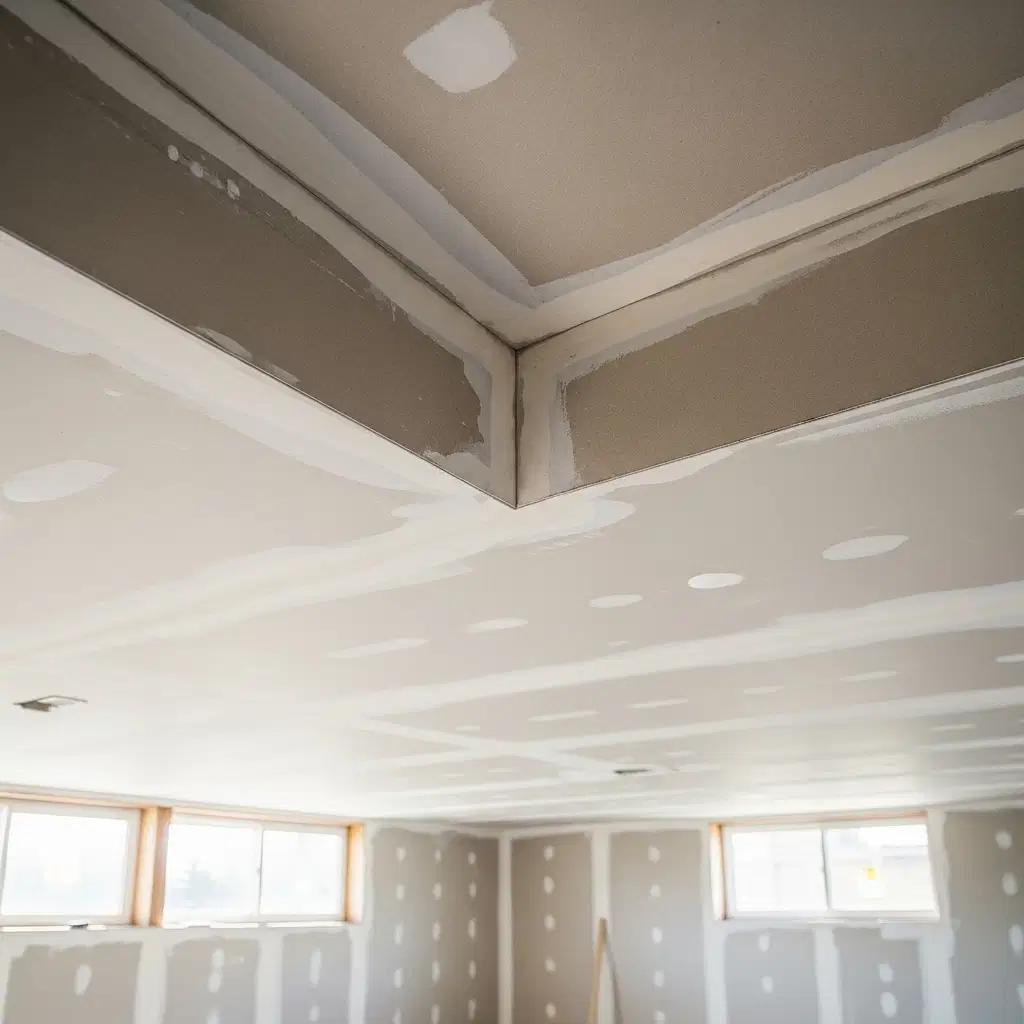
Repairing the Roof and Restoring Your Interior
Once the storm has passed and the immediate threat is managed, it is time for permanent solutions. This is a two-part process: fixing the exterior breach and addressing the interior aftermath.
For the exterior, a thorough inspection by a licensed professional will determine whether you need a simple patch or a more comprehensive solution. When it comes to roofing, choosing the right materials is vital for our damp climate. Whether you are considering architectural shingles or exploring the durability of a metal roof, you need a system designed to withstand heavy moisture and high winds.
Once the roof is watertight, you must address the interior. Repairing drywall after a roof leak is not as simple as letting it dry and slapping on a coat of paint. Water compromises the structural integrity of the gypsum board. The damaged sections usually need to be cut out and replaced to prevent mold growth and ensure a seamless finish. Our team specializes in professional drywall restoration, ensuring that once the repair is complete, you will never even know there was a leak.
Preventing Future Leaks and Choosing the Right Contractor
The best way to handle a roof leak is to prevent it from happening in the first place. In the Willamette Valley, proactive maintenance is your best defense. One of the most critical maintenance tasks is moss mitigation. Moss acts like a sponge, holding moisture against your shingles and slowly lifting them, which creates the perfect pathway for water to enter your home. Regular, gentle treatments can keep your roof clear and extend its lifespan significantly.
When it comes time to hire a professional for repairs or maintenance, it is essential to do your research. After major weather events, it is common for out-of-state storm chasers to flood the area, offering quick fixes at seemingly unbeatable prices. However, these contractors often lack the proper Oregon CCB licensing and bonding, leaving you unprotected if the work fails. Always look for an established, local contractor with a strong reputation in the community, transparent estimates, and comprehensive warranties on both materials and labor.
Protect Your Home from the Elements
Your home is your most significant investment, and its roof is the first line of defense against the elements. By knowing how to spot the early warning signs of water intrusion and acting quickly when emergencies strike, you can protect your interior spaces from devastating damage.
If you are dealing with the aftermath of a leak in Salem or the surrounding communities, you do not have to handle it alone. From tracking down the source of the water to expertly repairing your roof and restoring your interior walls, M&R General Construction is here to help. We also offer comprehensive exterior services, including gutters and painting, to keep your home looking and performing its best.
Ready to secure your home against the next big storm? Reach out to us today via our contact page to schedule a thorough inspection and a free, detailed estimate.