
Identifying Storm Damage on Roofs and Gutters: A Homeowner's Guide
Living in the Pacific Northwest means we are no strangers to unpredictable weather. From heavy seasonal rains to sudden windstorms sweeping through The Valley, our homes are constantly tested by the elements. While most of the time our houses stand strong against the wind and rain, severe weather events can sometimes leave a lasting impact on your property. For homeowners in Monmouth and the surrounding areas, knowing exactly what to look for after a major storm passes is critical to protecting your largest investment.
Often, the aftermath of a storm isn't as obvious as a fallen tree or a massive leak in the living room. Much of the time, the deterioration happens subtly, leaving your home vulnerable to long-term structural issues, mold growth, or interior water damage. Many homeowners wonder how to know if they need a simple repair or a complete replacement. Unfortunately, ignoring minor issues or failing to properly assess the exterior of your home can lead to much more expensive and invasive emergency roofing situations down the road.
In this guide, we will walk you through the practical steps of assessing your property safely from the ground. We will cover the telltale signs of weather impact, how to properly record the findings, and when it is time to reach out to reputable roofing companies for a professional evaluation.
Recognizing the Effects of High Winds
When a severe weather front moves through, wind is often the primary culprit behind exterior property damage. High-velocity gusts can catch the edges of roofing materials, lifting them up and breaking the manufacturer's seal. Once this seal is broken, your home becomes highly susceptible to a roof leak repair situation during the next heavy rain.
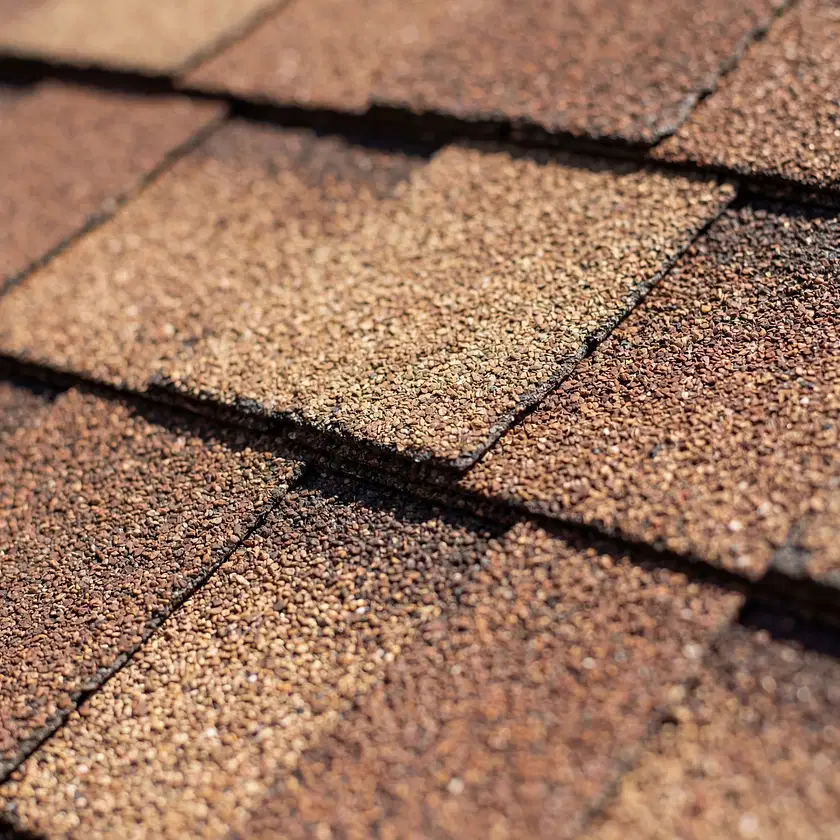
If you are wondering how to spot wind damage on roof shingles, start by doing a visual inspection from your yard using a pair of binoculars. You do not need to climb onto the roof yourself—in fact, for safety reasons, we highly recommend staying on the ground. Look for shingles that appear to be curling at the edges, missing entirely, or flapping when the wind blows. Another common sign is a distinct horizontal line or crease across the middle of the shingle. This happens when the wind lifts the material backward and folds it, weakening the asphalt structure and loosening the protective granules.
Additionally, pay attention to the flashing around your chimney, skylights, and vent pipes. High winds can pry these metal strips loose, creating an easy entry point for moisture. If you notice any of these signs, it is wise to consult with professional roofing experts who can safely get on the structure and perform a more detailed assessment.
Checking for Impact and Hail Marks
While we don't see massive hailstorms as frequently as some other parts of the country, sudden bursts of hail can still cause significant issues for local homes. Hail impacts can be deceiving because they don't always leave gaping holes; instead, they cause localized bruising that compromises the integrity of the material over time.
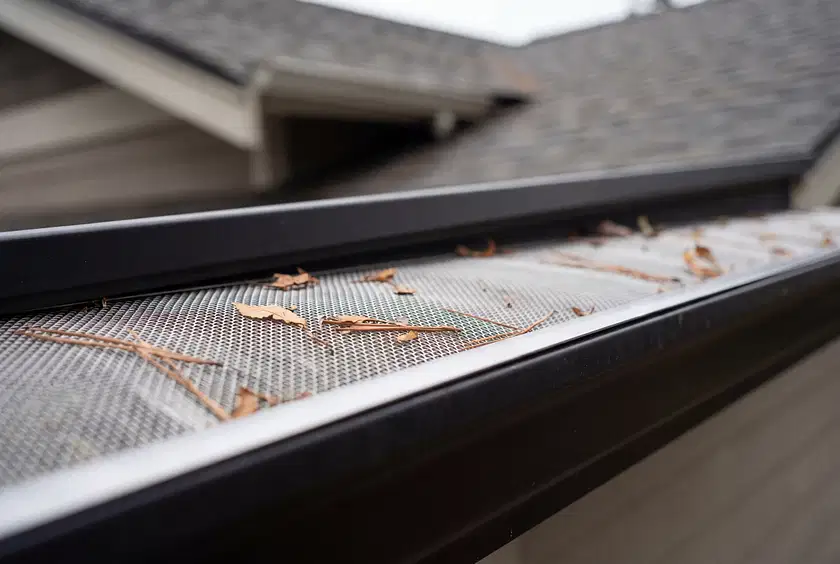
When identifying hail damage on gutters and roof materials, the gutters are actually one of the best places to start your inspection. Because they are made of relatively soft metal, aluminum gutters and downspouts will often show clear, round dents after a hailstorm. Check the face of the gutter system, the downspouts, and even your garage doors or window screens for similar dimples. If your metal fixtures are dented, there is a very high probability that the top of your house took a beating as well.
On the shingles themselves, hail leaves dark, circular spots where the protective mineral granules have been knocked away, exposing the fragile asphalt underlayment to the sun's UV rays. Over time, these exposed spots will dry out, crack, and allow water to seep into the roof deck. Because these bruises can be incredibly difficult to see from the ground, leveraging modern technology like drone-based roof inspections has become an industry standard. Reputable contractors use these high-resolution aerial cameras to safely and accurately identify impact points without risking further damage to the materials by walking on them.
Navigating the Insurance Process
One of the biggest pain points for homeowners after a major weather event is dealing with the financial and logistical stress of insurance claims. Homeowners are often skeptical of out-of-town contractors who show up immediately after a storm, and rightly so. Working with an established, local contractor who understands the nuances of the claims process is vital to ensuring you get the coverage you deserve without being taken advantage of.
Documenting storm damage for roof insurance claims requires a meticulous and organized approach. If you suspect your property has been impacted, start by taking wide-angle photos of your home from the ground, capturing any visible issues like missing shingles, dented gutters, or debris in the yard. Write down the exact date and time the storm occurred, as insurance adjusters will check this against historical weather data in your area.
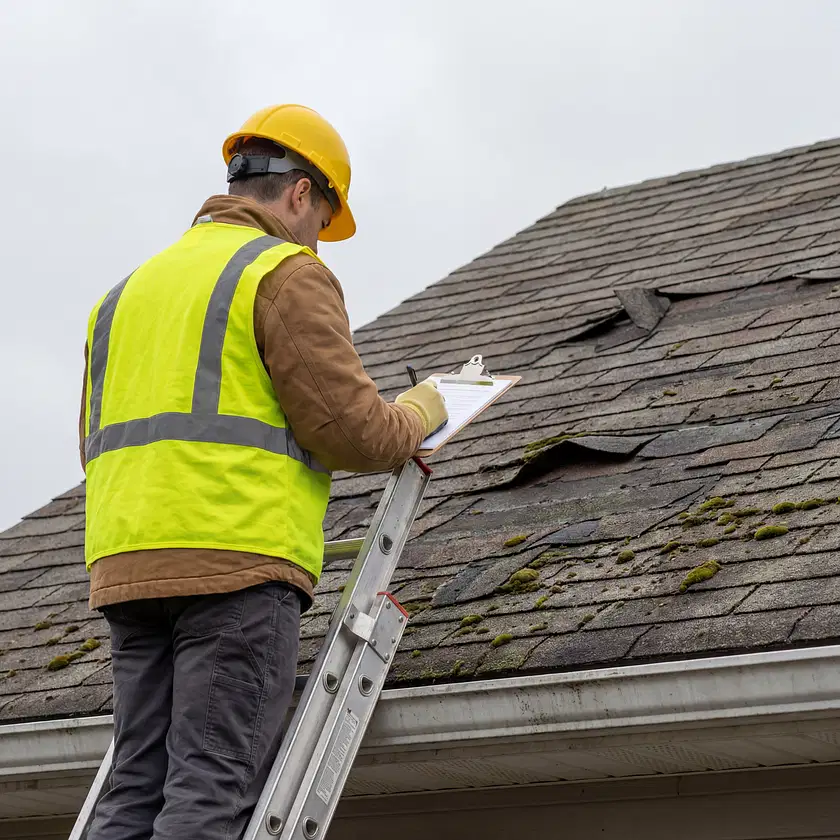
When you request roofing quotes from local professionals, ask if they provide comprehensive damage reports. A trustworthy contractor will not just give you a price; they will provide you with an itemized assessment, complete with timestamped photos, detailed measurements, and a clear explanation of whether a full replacement or a targeted repair is the most cost-effective and safe solution. This documentation is exactly what your insurance company needs to process a claim efficiently.
Protecting Your Home for the Future
Your roof and gutter system work together as the primary shield for your home, directing water away from your foundation and keeping your interior dry. Catching weather-related wear and tear early is the absolute best way to prevent catastrophic leaks, preserve the structural integrity of your property, and avoid the sticker shock of major, unexpected construction projects.
At M&R General Construction, we understand that maintaining a home in Oregon requires vigilance and a team you can trust. We pride ourselves on transparent pricing, clear communication, and a commitment to doing things right the first time. Whether you need a post-storm inspection, assistance navigating an insurance claim, or comprehensive roofing services to upgrade your home's defenses, our fully licensed and bonded team is here to help.
If you have noticed missing shingles, dented downspouts, or simply want the peace of mind that comes with a professional inspection, don't wait for the next storm to test your home's limits. Contact us today to schedule an assessment and learn more about our flexible financing options and strong warranties.