
Protecting Roof Flashing and Adjacent Siding from the Elements
Living in the Pacific Northwest means our homes are put to the ultimate test when it comes to moisture. From heavy seasonal rains to lingering dampness, the weather here in the Valley demands a strong exterior defense. While most homeowners understandably focus on the condition of their shingles, one of the most critical components of a weather-tight home often goes unnoticed until a problem arises: your roof flashing and the exterior walls it protects.
At M&R General Construction, we have spent years helping homeowners across Oregon safeguard their properties. We often hear the question, "How do I know if my roof needs to be repaired or completely replaced?" The answer frequently lies not in the broad expanses of your roof, but in the vulnerable seams where different materials meet. In this guide, we will explore how your roof's flashing interacts with your siding, why these transition points are so critical, and what you can do to maintain them.
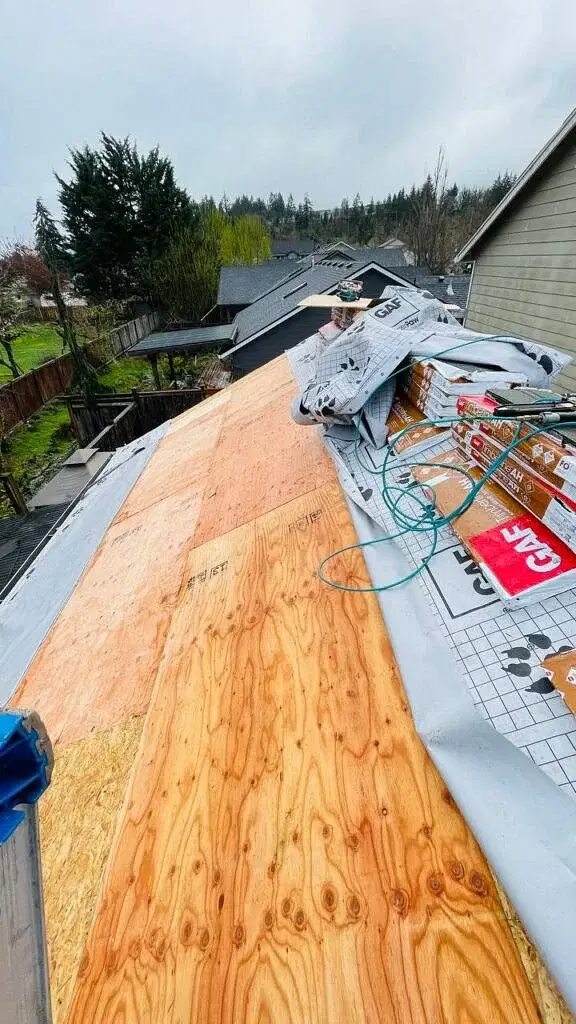
What is Roof Flashing and Why Does It Matter?
Roof flashing is typically made of thin pieces of metal—such as galvanized steel, aluminum, or copper—installed to direct water away from critical areas of the roof. You will find it in valleys, around chimneys, near skylights, and most importantly, where the roof deck meets a vertical wall. Its primary job is to prevent water from seeping into the structural joints of your home.
Because these intersections take the brunt of heavy runoff during our relentless winter storms, they are incredibly susceptible to wear and tear. Over time, extreme temperature fluctuations, heavy winds, and general aging can cause flashing to warp, rust, or pull away from the home's structure. Recognizing the signs of failing roof step flashing is an essential part of home maintenance.
What should you look for? First, safely examine the metal pieces along your roofline. If you notice severe rusting, visible gaps, or sealant that has dried out, cracked, and peeled away, your flashing is likely compromised. Inside your home, water stains on ceilings or walls directly adjacent to rooflines are a clear indicator that moisture is bypassing your exterior defenses. Catching these warning signs early can save you from requiring extensive interior restorations and keep your roofing system functioning optimally.
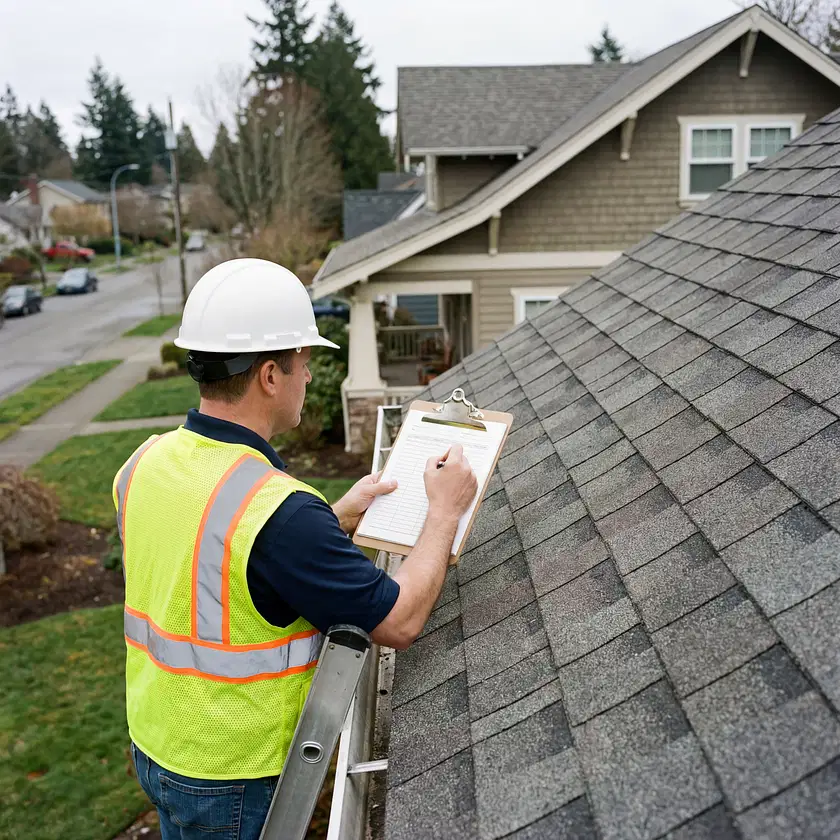
The Vulnerable Connection: Roof-to-Wall Intersections
One of the most complex areas of your home's exterior is the joint where a sloped roof meets a vertical wall. To properly waterproof this junction, contractors use a technique called step flashing, which involves layering L-shaped pieces of metal with each course of shingles, weaving them together to shed water downward.
However, even the best flashing can fail if it isn't properly integrated with the adjacent wall materials. When water manages to get behind the metal, repairing leaks at roof wall intersections becomes a delicate process. It isn't simply a matter of patching a hole; the surrounding materials must be carefully pulled back to expose the root of the leak.
If water has been seeping behind the flashing for an extended period, the damage often extends beyond the roof deck. It frequently rots the house wrap, sheathing, and the siding itself. In these cases, fixing the leak properly involves replacing exterior siding around roof flashing. This ensures that any compromised material is removed and that the new flashing can be properly integrated behind the home's moisture barrier, rather than just caulked on the surface. We always emphasize that surface-level caulking is a temporary bandage, not a long-term solution for homes facing our regional weather.
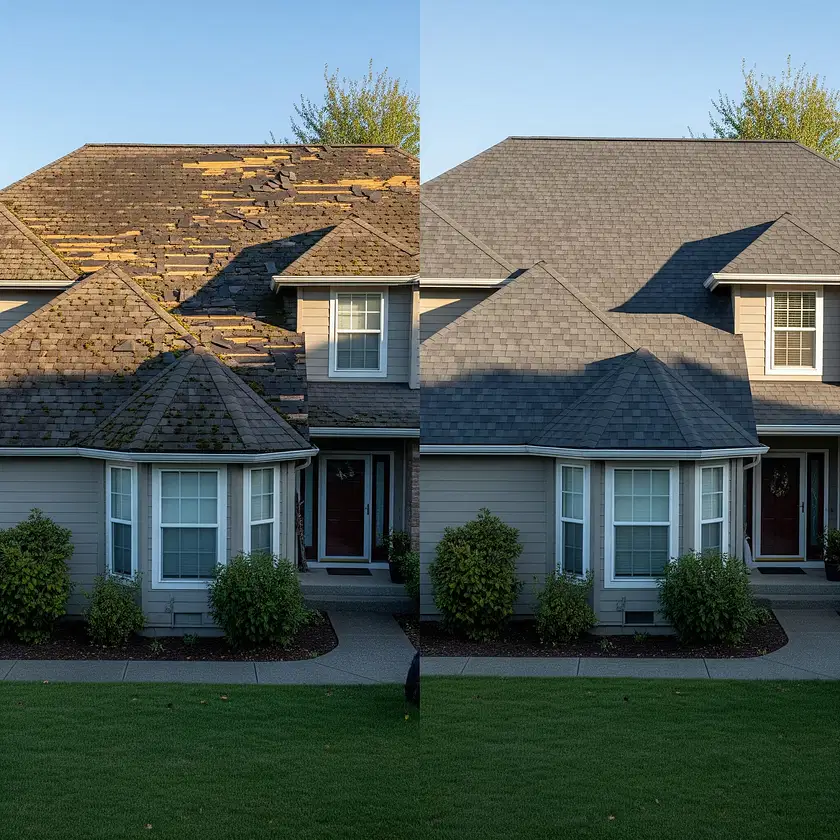
Comprehensive Exterior Protection with M&R General Construction
Protecting your home requires looking at your exterior as a complete, interconnected system. A failing roof can destroy beautiful siding, and poorly installed exterior walls can funnel water directly into your roofing underlayment. Ensuring that these components work harmoniously is the key to longevity, structural integrity, and long-term peace of mind.
At M&R General Construction, our approach focuses on comprehensive solutions. Because we specialize in both top-tier roofing and highly durable siding services, our crews understand exactly how these systems are supposed to integrate. We prioritize transparent communication, clear estimates, and the highest standards of workmanship to build trust with every homeowner we serve.
If you have noticed warning signs around your roof's joints, or if you simply want a professional assessment before the next heavy storm rolls in, don't wait for a minor leak to become a major structural repair. Reach out to our team at M&R General Construction today by visiting our contact page. Let's work together to keep your home safe, dry, and beautiful for decades to come.