
Solving Attic Ventilation and Ceiling Moisture Issues
If you live in Monmouth or the surrounding areas, you know how wet our winters can get. The constant rain and damp air of the PNW don't just test the exterior of our homes; they also challenge the hidden spaces, like our attics. Many homeowners are surprised to learn that a leaky roof isn't the only cause of water stains on their ceiling. Often, the real culprit is poor airflow.
When we think about protecting our homes from the elements, we usually picture sturdy shingles and clear gutters. While those are incredibly important, the way your roof breathes is equally vital. Without proper ventilation, the warm, moist air generated inside your home from cooking, showering, and running appliances rises and gets trapped beneath your roof deck. When this warm air meets the cold winter roofing materials, condensation forms. Over time, this trapped moisture can lead to a cascade of problems, ranging from compromised insulation to structural wood rot and interior ceiling damage.
At M&R General Construction, we regularly help homeowners navigate these exact challenges. We understand that dealing with unexplained moisture can be stressful, especially when you're worried about finding a reliable contractor who provides clear, upfront pricing. Our goal is to demystify how your roof system works and help you understand the connection between attic airflow and the health of your interior walls.
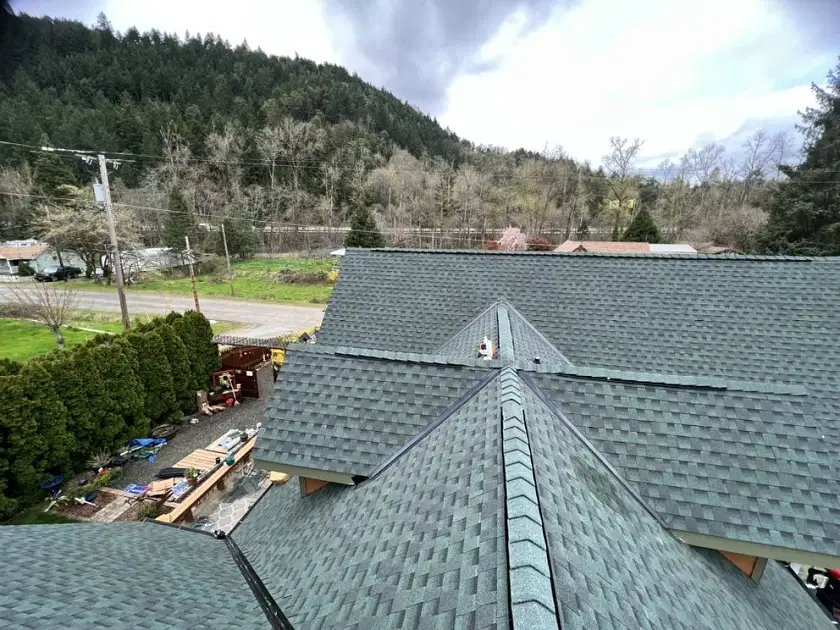
Recognizing the Signs of Inadequate Roof Attic Ventilation
Identifying a ventilation problem early can save you a significant amount of time, money, and frustration. Because the attic is a space most of us rarely visit, the signs of inadequate roof attic ventilation often go unnoticed until the damage becomes visible inside the living space. However, if you know what to look for, you can catch the issue before it escalates.
One of the most obvious early indicators is a noticeable temperature difference inside your home. During the summer, an improperly ventilated attic acts like an oven, trapping heat and making your upper floors uncomfortably warm, which in turn spikes your cooling costs. In the winter, the problem flips to moisture accumulation. If you safely pop your head into the attic during a cold snap, you might actually see frost forming on the underside of the roof deck or on the tips of the roofing nails. When the weather warms up, this frost melts, mimicking a roof leak.
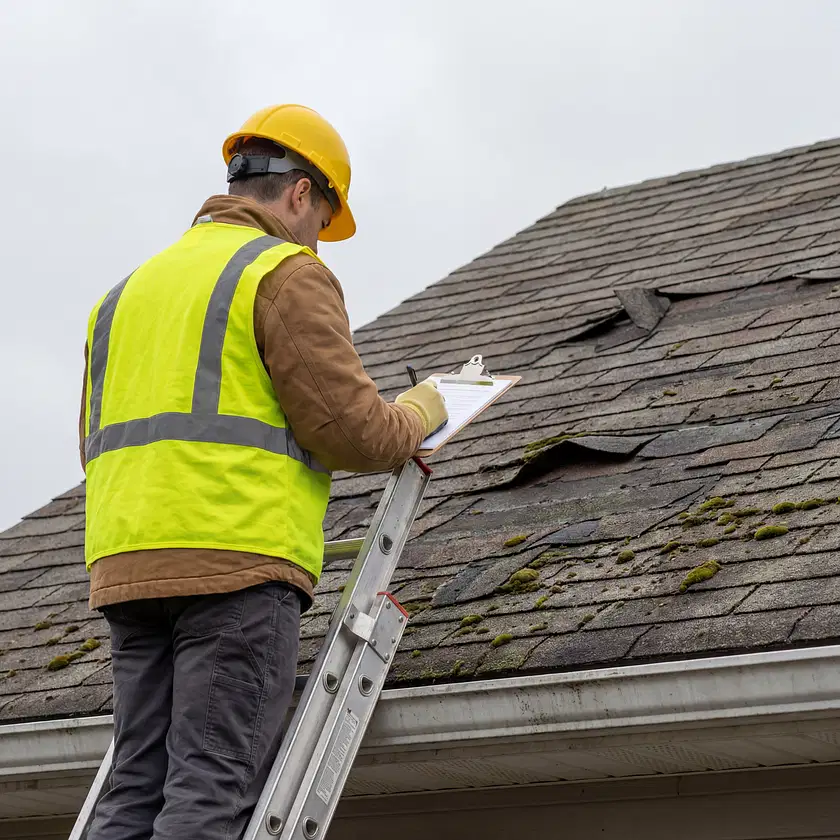
Another common symptom is the condition of your roof's exterior. Have you noticed your shingles blistering, curling, or prematurely aging? Excessive trapped heat bakes roofing materials from the inside out, drastically reducing their lifespan. Additionally, if you see an unusually heavy buildup of moss or algae on your shingles, it could be a sign that the roof deck below is holding onto too much moisture. We also recommend utilizing modern diagnostic approaches. Today's technology, including drone inspections and thermal imaging, allows professionals to spot ventilation imbalances and compromised insulation without tearing into your ceiling, ensuring you get accurate, non-invasive assessments.
How Attic Condensation Causing Ceiling Water Damage Happens
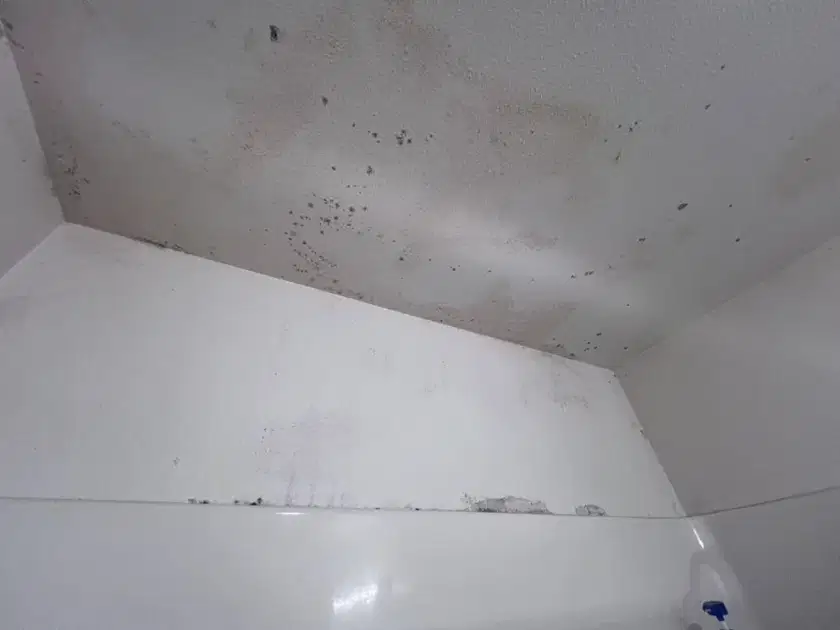
It is a common misconception that every brown stain on a ceiling is the result of a missing shingle or a failing flashing. In reality, the phenomenon of attic condensation causing ceiling water damage is incredibly common, especially in well-insulated, modern homes that are sealed tight for energy efficiency.
Here is how the cycle works: Everyday activities like laundry, boiling water, and running the dishwasher produce warm water vapor. Because warm air naturally rises, this vapor migrates upward, eventually bypassing your ceiling and entering the attic space. In a properly ventilated attic, a system of intake vents (usually located in the soffits) and exhaust vents (placed at or near the roof ridge) work together to create a continuous flow of air. This breeze carries the moisture safely outside.
When this airflow is blocked—often by insulation stuffed too tightly into the eaves, or by a lack of sufficient venting—the moisture has nowhere to go. It hits the freezing cold plywood of your roof deck and immediately turns into liquid condensation. This water then drips down onto your attic insulation. Once insulation becomes saturated, it loses its thermal resistance and becomes heavy, eventually allowing the water to seep directly into the sheetrock below. This leads to bubbling paint, brown rings, and soft spots on your ceiling. If left unchecked, this damp environment can foster mold growth, which poses a risk to both your home's structural integrity and your family's air quality. Addressing the resulting interior damage requires careful attention, which is why professional drywall replacement is often necessary to fully restore the safety and appearance of your ceiling.
Repairing Ceiling Drywall from Attic Moisture and Fixing the Source
The most important rule when dealing with moisture damage is to never patch the symptom without curing the disease. Repairing ceiling drywall from attic moisture is only a permanent fix if you have simultaneously corrected the ventilation issues above it.
The restoration process begins with a comprehensive evaluation of your entire roofing system. This means checking the balance between your intake and exhaust vents to ensure they meet current building codes and manufacturer recommendations. Often, we find that installing proper baffles (which prevent insulation from blocking soffit vents) and upgrading to high-quality ridge vents restores the necessary airflow. By integrating these improvements, you not only stop the condensation but also protect the warranty on your shingles, as manufacturers require adequate ventilation for their guarantees to remain valid.
Once the environment above the ceiling is dry and balanced, the interior work can begin. Saturated insulation must be removed and replaced, as it will not regain its effectiveness once crushed by water weight. The damaged ceiling materials are then carefully cut away, replaced, taped, and textured to match the surrounding area perfectly. Navigating these repairs requires a team that understands both the exterior weatherproofing and the interior finishing. Clear communication and detailed, upfront estimates are essential so you know exactly what the restoration entails, without any surprise costs down the road.
Comprehensive Care for Your Home
Protecting your home against the unpredictable weather of The Valley requires a holistic approach. It is not just about keeping the rain out; it is about managing the climate inside your attic to ensure your home remains healthy, comfortable, and structurally sound for decades. Whether you are seeing the early warning signs of condensation, noticing curling shingles, or dealing with active interior water damage, addressing the root cause promptly is your best defense against costly future repairs.
At M&R General Construction, we pride ourselves on delivering quality workmanship, utilizing top-tier materials, and providing our neighbors across Oregon with transparent, reliable service. If you are concerned about your attic's airflow or need expert assistance with interior and exterior repairs, our comprehensive roofing solutions are designed to give you lasting peace of mind. Contact us today to schedule a thorough inspection, and let our experienced team help you protect your biggest investment.