
Weatherproofing Your Home: Protecting Decks and Siding from Oregon's Liquid Sunshine
Living in the beautiful Willamette Valley means enjoying some of the most stunning natural scenery in the country. However, the same climate that keeps our forests so lush also presents unique challenges for local homeowners. Our famous liquid sunshine can take a serious toll on the exterior of your home if it isn't properly protected. When the prolonged rainy season hits, your home's exterior barriers—specifically your siding and outdoor living spaces—are your first line of defense against severe water damage.
At M&R General Construction, we often hear from homeowners who are frustrated by the seasonal fluctuations that cause extreme wear and tear on their properties. A common question we receive is how to best prepare these exterior elements for the wet Pacific Northwest climate. Proactive weatherproofing is not just about maintaining your home's curb appeal; it is a critical step in preserving its structural integrity, preventing costly emergency repairs, and ensuring your family's comfort year-round.
In this guide, we will explore practical, proven strategies for fortifying your home's exterior. From choosing the right materials to understanding the hidden vulnerabilities where moisture loves to hide, you will learn how to keep your property safe, dry, and looking its best for decades to come.
Defending Your Home's Armor: Siding Maintenance and Materials
Your home's siding does much more than dictate its visual style; it acts as a crucial shield against wind, rain, and debris. Because our region experiences high levels of moisture for more than half the year, choosing and maintaining the right siding is absolutely essential. One of the primary concerns for local homes is the rapid accumulation of biological growth. Effective moss mitigation is necessary to prevent organic material from trapping moisture directly against your exterior walls, which can prematurely degrade paint, wood, and even fiber cement.
Many homeowners ask us what the best materials are for this wet climate. While traditional wood offers a classic look, it requires rigorous maintenance to prevent rot. Modern fiber cement and premium vinyl siding have become increasingly popular because they resist moisture absorption and are less susceptible to insect damage. Regardless of the material you choose, the key to longevity lies in the installation and ongoing maintenance. Ensuring that all seams are properly caulked and that your gutters are functioning correctly will keep water flowing away from your exterior walls.
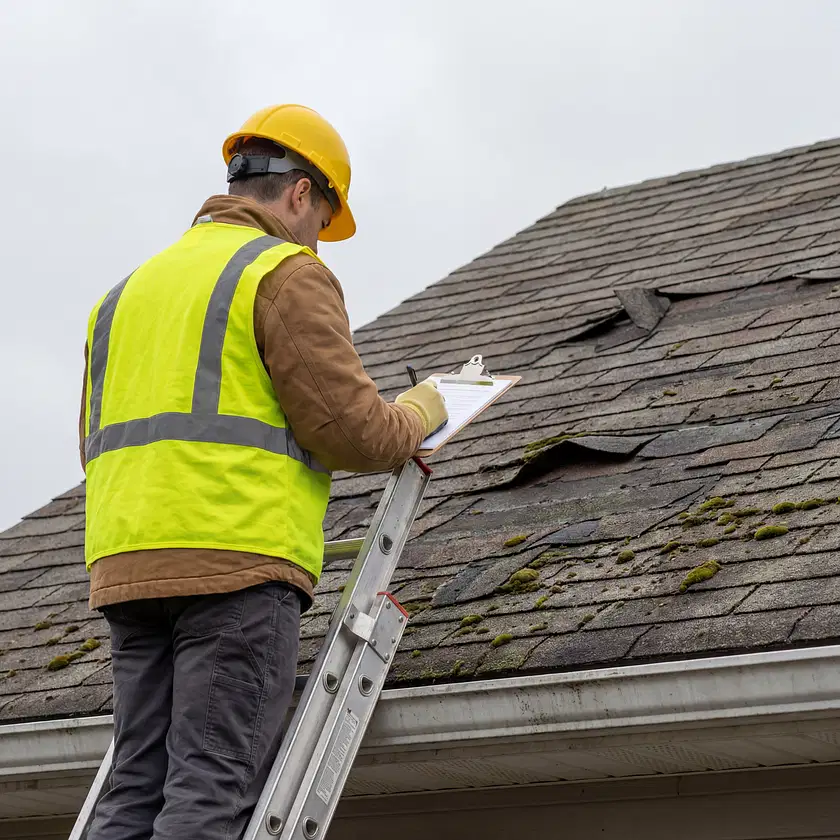
It is also critical to be vigilant about what happens beneath the surface. Knowing the signs of rot behind exterior siding and deck attachments can save you from a major structural headache down the road. If you notice soft spots, peeling paint, or a persistent musty smell near exterior walls, moisture may have already breached the protective barrier. Regular inspections, especially before the heaviest rains begin in October, allow you to address these vulnerabilities while they are still minor fixes rather than complete replacement projects.
Maximizing Deck Durability in Wet Climates
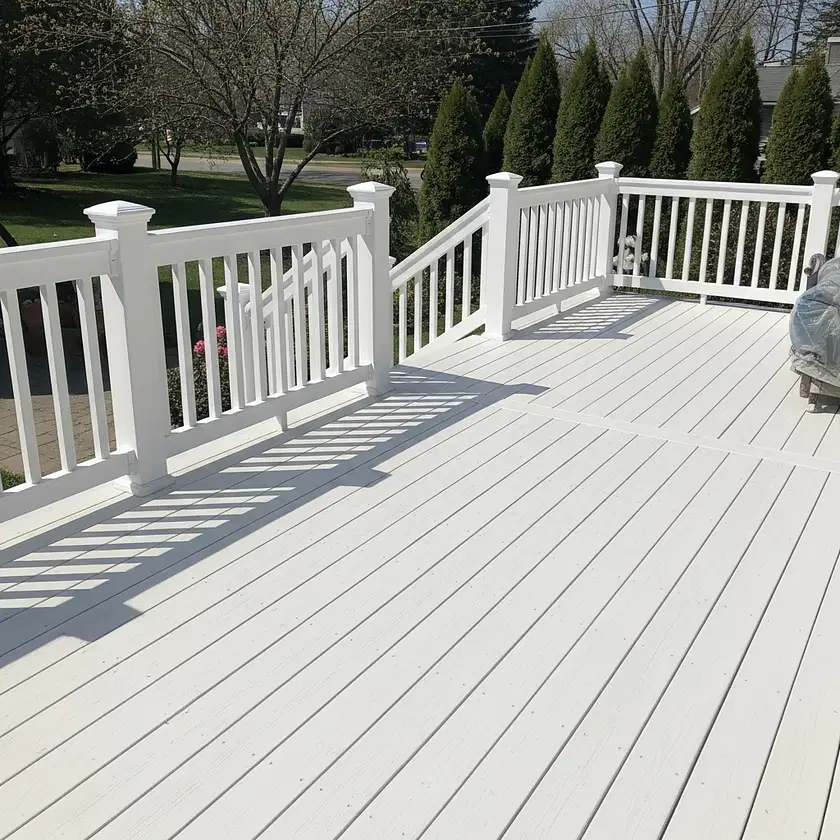
A well-built deck is the perfect place to enjoy our beautiful spring and summer months, but it requires thoughtful engineering to survive the long, damp winters. Water is a deck's worst enemy, leading to warping, splintering, and structural decay if not properly managed. When planning a new outdoor space or upgrading an existing one, material selection is a major factor. We frequently discuss composite decking durability in wet climates with our clients. High-quality composite materials are engineered to resist moisture penetration, meaning they won't rot, warp, or harbor moss the way natural wood often does in our damp environment.
However, even the most advanced decking materials are only as secure as their structural frame. The point where your deck attaches to your home—the ledger board—is arguably the most critical junction on your entire property. If water seeps behind this board, it can rot the wood framing of your house, leading to catastrophic failure. Understanding how to protect deck ledger boards and siding requires professional expertise. Proper flashing, which is a layer of metal or waterproof membrane installed over the ledger board and under the siding, acts as a permanent umbrella for this vulnerable connection.
In addition to proper flashing, ensuring adequate spacing between deck boards allows water to drain freely rather than pooling on the surface. For traditional wood decks, applying a high-quality, water-repellent sealant every few years is non-negotiable. This sealant fills the microscopic pores in the wood, forcing rainwater to bead up and roll off. When combined with routine clearing of fir needles and fallen leaves—which can trap moisture against the wood—these simple maintenance steps dramatically extend the life of your outdoor living space.
Partner with Local Experts for Long-Lasting Protection
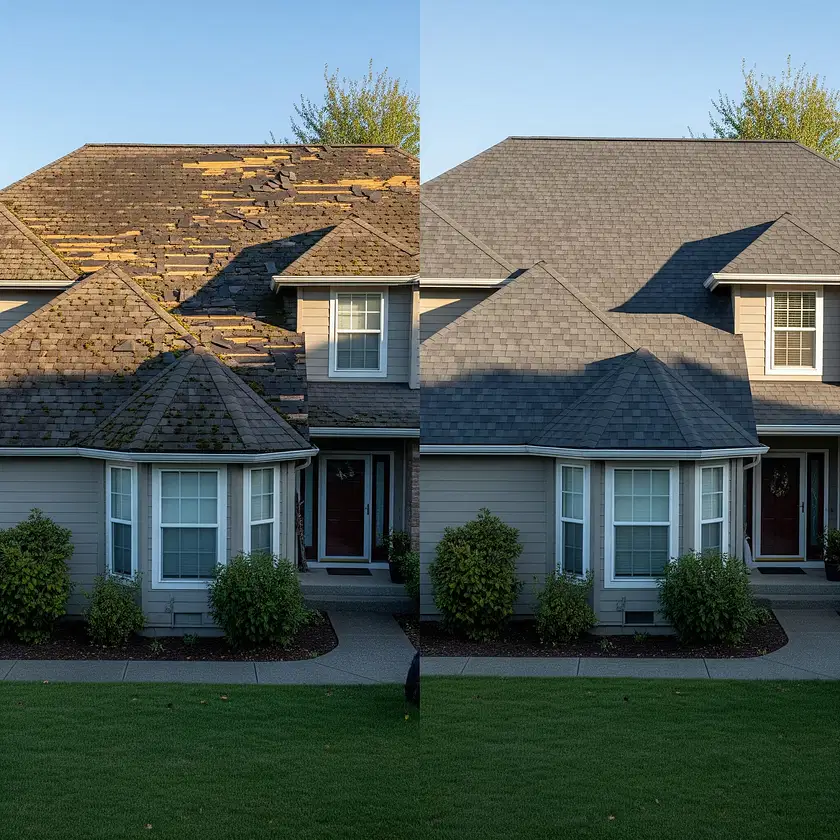
Weatherproofing your home is a continuous process, but you don't have to tackle it alone. Understanding the unique demands of the local climate allows you to make informed decisions that protect your investment and keep your family secure. Whether it's clearing debris from your gutters, upgrading to moisture-resistant siding, or ensuring your deck is structurally sound and properly sealed, every step you take now prevents severe headaches during the next heavy storm.
At M&R General Construction, we pride ourselves on delivering high-quality, CCB-licensed craftsmanship that homeowners in Salem and the surrounding communities can trust. We offer a comprehensive suite of services including roofing, siding, fencing, deck construction, drywall, painting, and gutters. If you are concerned about the current state of your home's exterior or are ready to upgrade to more durable materials, contact us today for a transparent, detailed estimate. Let our experienced team help you build and maintain a home that stands strong against the weather, year after year.